

India Runs on Credit (Part 1 — Udhaar)
Credit is woven into the fabric of India's economy, often through informal or semi-formal arrangements. I begin with my earliest memories of discovering what udhaar meant.

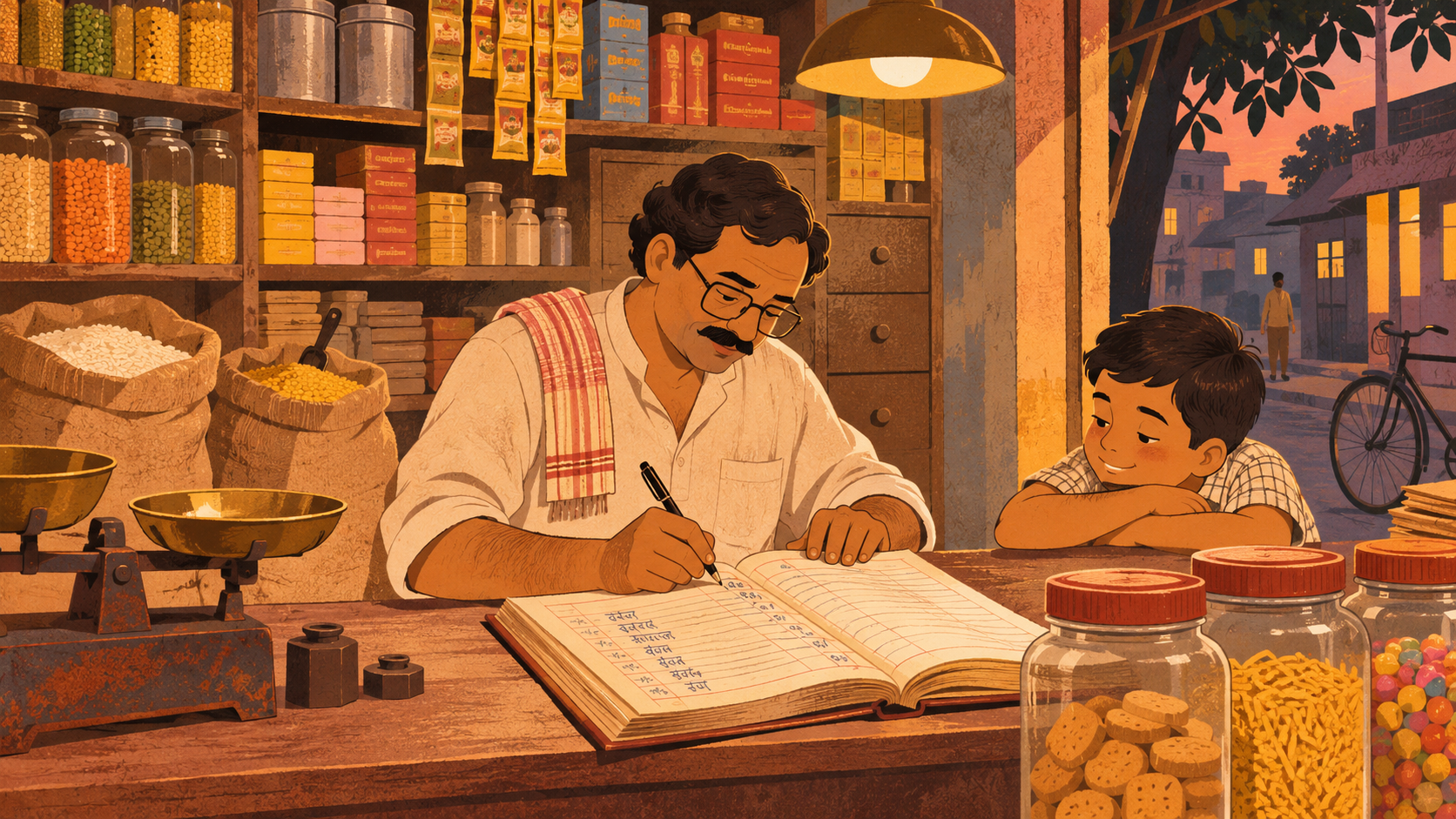
Credit (udhaar) is woven into the fabric of India’s economy, often through informal or semi-formal arrangements. In this series of blog posts, I’ll explore how credit shapes everyday life and business across the country. I’ll begin with my earliest memories of discovering what udhaar meant and how it was part of my family’s daily life.
Throughout the series, I’ll use credit and udhaar interchangeably.
As a child, I used to notice a few shops in our neighbourhood with signs that said, “Sorry, no credit!” (Yahaan udhaar nahi milta.)
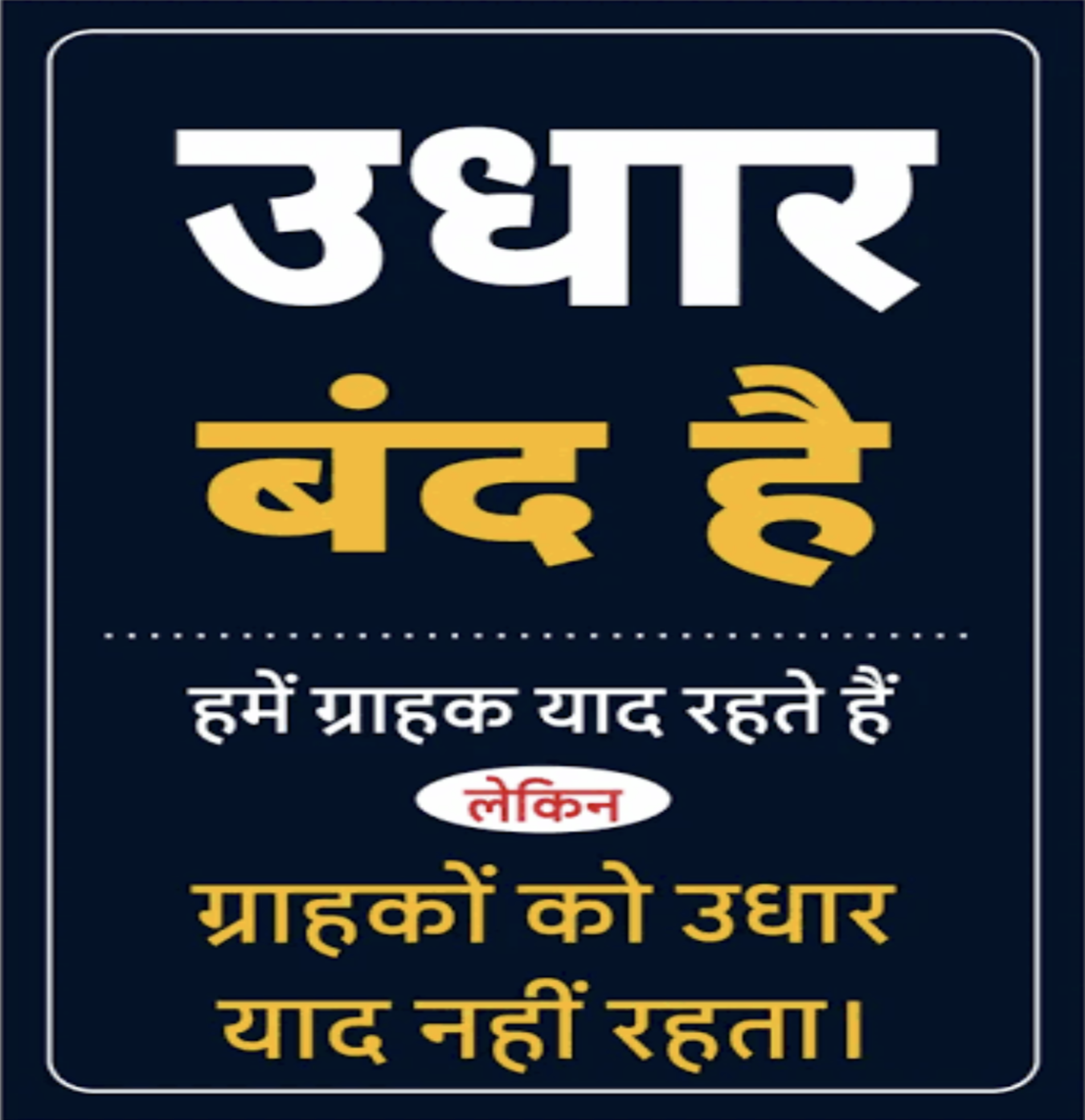
When appa first explained what udhaar meant, I wondered why anyone would ask for it, and why a shopkeeper would agree. Little did I know that many shops and shopkeepers did offer udhaar, mostly to people they knew. They just didn’t put up a sign announcing it.
My own family — a proud Tamil household that never asked anyone for money — had credit tabs open with several shops and services.
The kirana shop: That’s where all our groceries came from. We went there at least once a week, and the kirana bhaiyya delivered goods almost daily when we called. But we never paid immediately. At the end of the month, he’d share a list of everything we’d bought. We’d check it, tally it up, and pay. That’s credit!
The ironing akka: She came home to pick up and drop off our clothes. Every two days, she’d bring back our crisp, freshly ironed uniforms, neatly packed in an old checked bedsheet. But we never paid immediately. She got paid every fortnight for the clothes she’d ironed over the previous two weeks. That’s credit too!
The jewellery shop: We visited during Akshaya Tritiya and Dhanteras. Amma took hours to pick the right piece of jewellery. As she wondered whether to buy it, Seth ji — wearing white pajamas and sitting on his white cushions — would calmly say, “Madam, le jaaiye. Paise aaram se de dijiyega” (“Madam, take the jewellery home. You can pay later.”). He was trying to close the sale with credit!
The kitty party: Amma had a group of friends who met every month at one person’s house. She took me along, and I loved it because there were unlimited samosas and cola. At each get-together, everyone contributed a set amount to a pool — the kitty — which went to the host. The hosting rotated, so everyone got a turn to receive the prized kitty (and, of course, the samosas and cola). The guests saved together, and the host received the pooled money, with the understanding that she’d keep contributing to future kitties.
The newspaper bhaiyya, the milkman, and the medicine shopkeeper gave us credit too.
We didn’t need this udhaar from our neighbourhood businesses — it was taken (and given) for convenience. Merchants knew that offering credit made it easier for customers to buy more products, more often.
We didn’t sign any loan agreements, didn’t give KYC documents. Merchants did not apply a penalty for paying late and definitely did not report us to CIBIL. It was a system built on trust. It was an understanding that worked seamlessly. It still works!
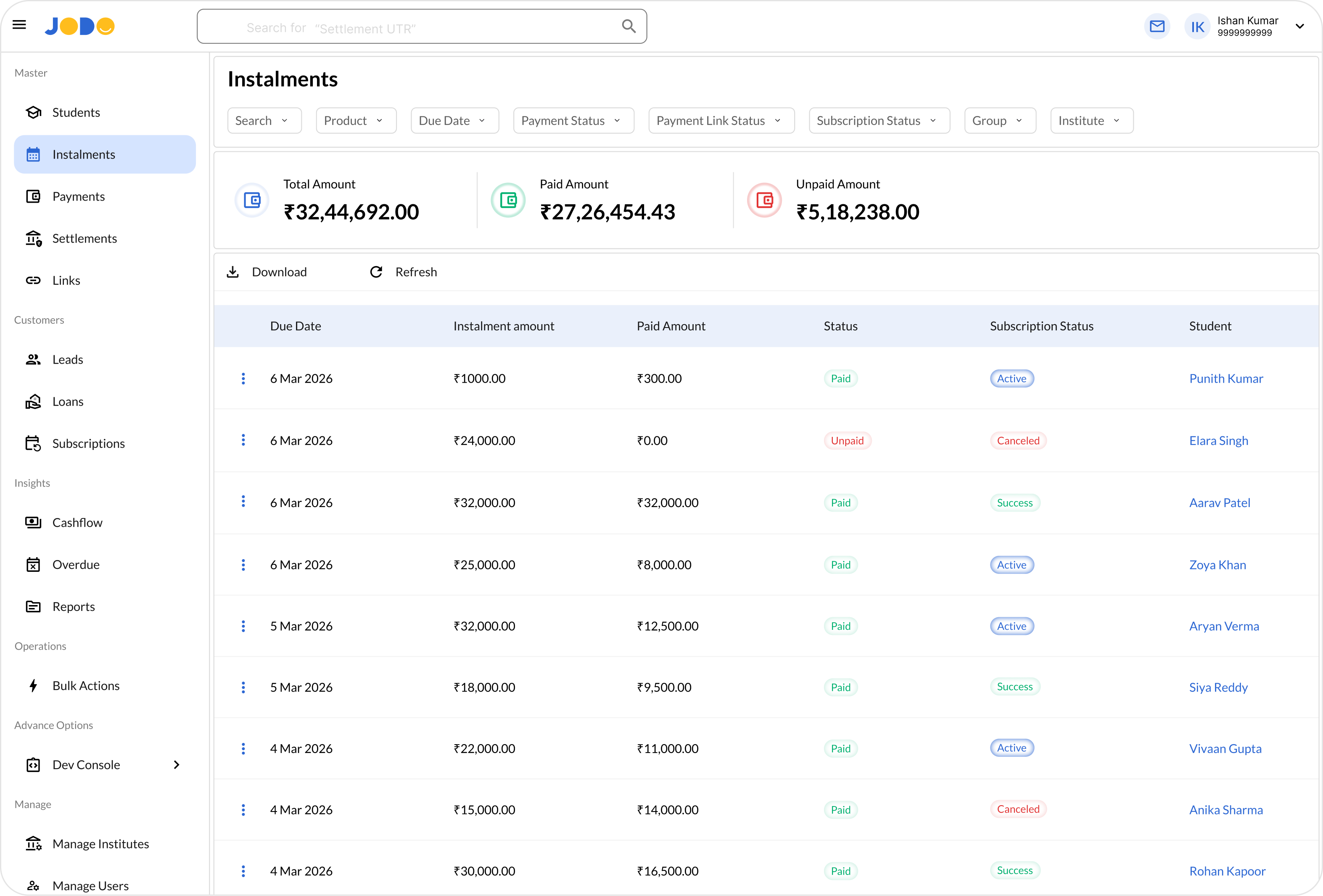
Do you give credit to your customers? Download the Collect app and set up AutoPay mandates for customers who buy on credit, so you can get paid on time.